


«All We Cannot See» marks the return to fiction filmmaking for Venezuelan director Alberto Arvelo.
Aroa (María Valverde) and Miquela (Bruna Cusí) first meet in a service station bathroom, where Miquela hears Aroa crying in the next stall and tries—unsuccessfully—to start a conversation. They cross paths again at a train station, where Aroa is slightly more receptive. Miquela is intrigued and concerned by this stranger: disheveled, sad, bruised, with blood on her shoes. But Aroa isn’t looking to be saved—or doesn’t quite know what she’s looking for, other than escape. The occasional military patrols, protest slogans on public walls, and snippets of radio news hint at a Europe in conflict. In their second encounter, Miquela reveals she’s leaving Spain for Portugal and daringly invites Aroa to join her. After much hesitation, she accepts.
Their road trip unfolds along quiet highways in a rented car, stopping in wide-open fields that feel almost post-apocalyptic. They sleep in hotels or abandoned buildings under the stars. Eventually, space opens for their connection to move from sexual to romantic. However, the film isn’t about rediscovering sexual identity. It’s about two people finding each other as if by fate, and allowing that bond to lead them—at least for a while.
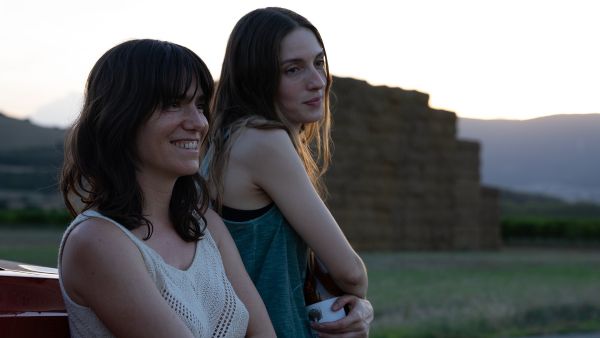
«All We Can Not See» A road movie toward self-love
The third gem comes not from a promising new voice, but from a seasoned filmmaker exploring new
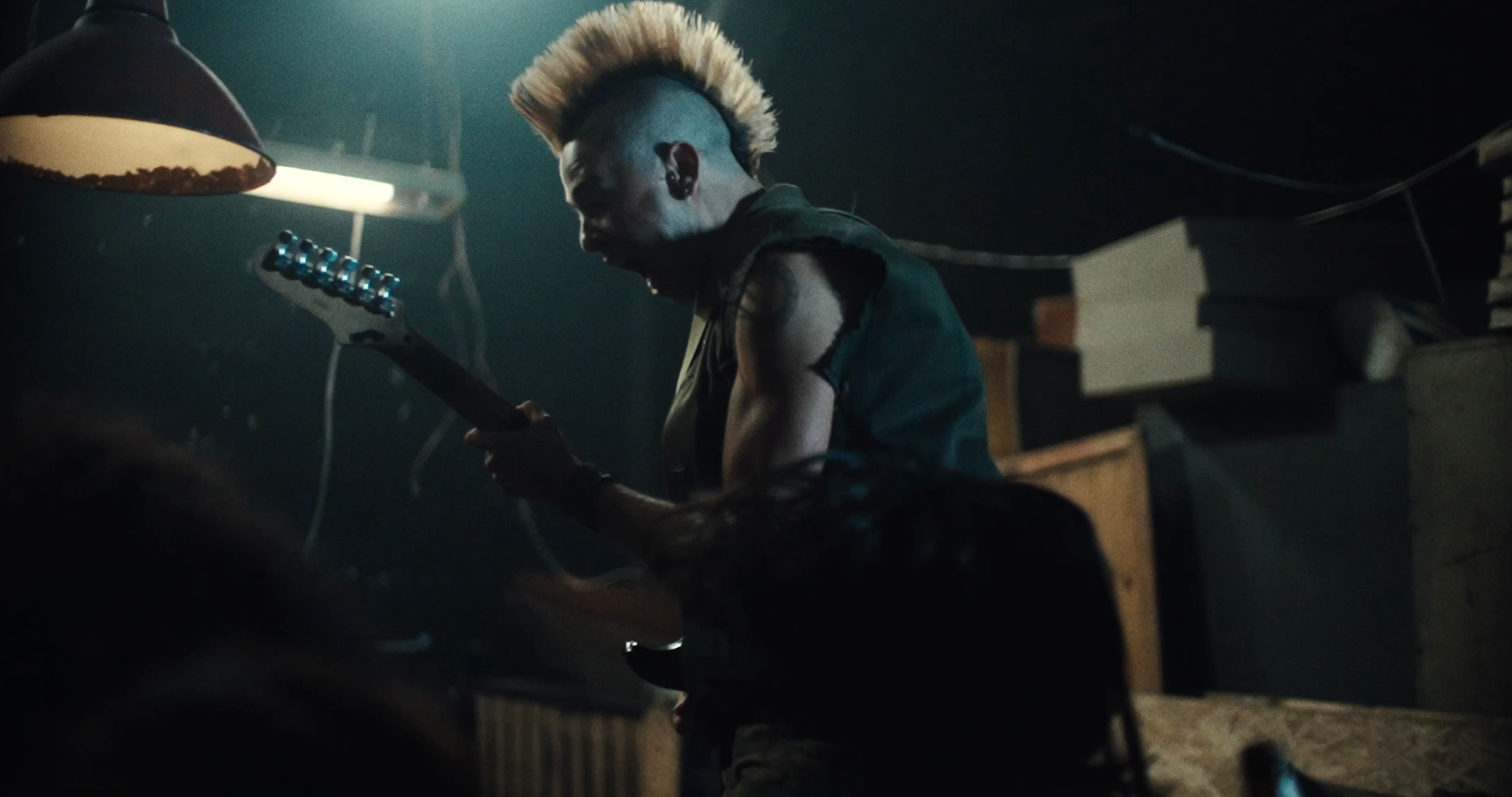
’‘Los Frikis’: “We Chose a Tough Path”
It’s fitting that Tyler Nilson and Michael Schwartz’s Los Frikis is about the punk-rock spirit. It’s truly the most punk-rock choice they
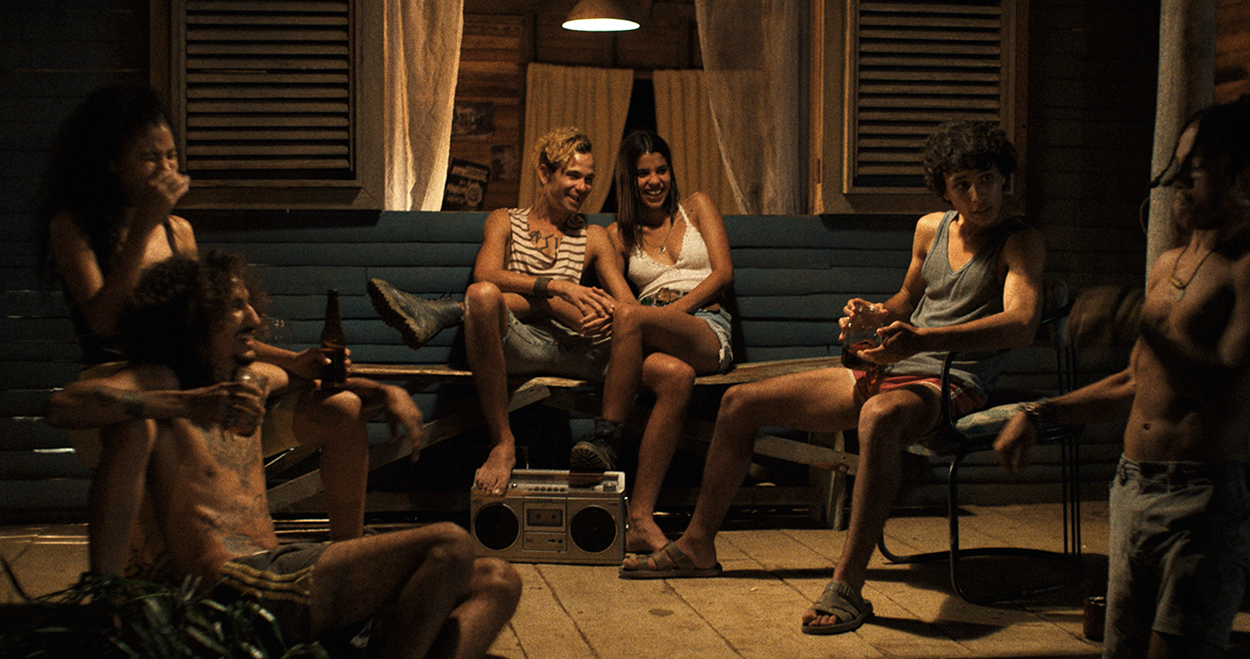
Los Frikis is a vibrant exploration of punk and resistance in 90s Cuba
Five years after Tyler Nilson and Michael Schwartz debuted their sleeper hit The Peanut Butter Falcon (2019), the directing duo’s